 |
|||
 |
|||
 |
 |
 |
|
 |
|
 |
 |
 |
|||
 |
|||
 |
|||
 |
 |
Exploring Low-Cost Web Hosting: A Comprehensive ReviewWhen venturing into the digital space, choosing the right web hosting service is pivotal. For those mindful of their budget, low-cost web hosting becomes an attractive option. However, navigating this realm can be daunting with myriad choices available. In this comprehensive review, we delve into the nuances of low-cost web hosting, offering insights and subtle opinions to guide your decision-making process. Firstly, it's essential to understand what low-cost web hosting entails. Generally, these services offer basic hosting plans that cater to small websites or blogs. While they might not boast the extensive features of their pricier counterparts, they provide an excellent starting point for beginners or small businesses. When evaluating low-cost options, several factors come into play.
Among the myriad of options available, a few providers consistently earn praise for their balance of cost and quality. Bluehost, for instance, is renowned for its beginner-friendly approach and excellent customer service, albeit at a slightly higher price point than some competitors. HostGator, on the other hand, is often lauded for its scalability and range of features, making it a popular choice for those expecting growth. Then there's SiteGround, which, while on the higher end of the low-cost spectrum, offers exceptional performance and robust security features. In conclusion, while low-cost web hosting can be a double-edged sword, careful consideration of the factors outlined can lead to a satisfactory experience. Balancing cost with essential features such as reliability, support, and scalability ensures that your web hosting choice aligns with both your budget and your website's needs. As the digital landscape continues to evolve, remaining informed and adaptable is key to maintaining a successful online presence. https://www.quora.com/What-are-the-best-and-cheapest-web-hosting-providers
Cloudways is an affordable and reliable web hosting service that offers a range of features to help you get the most out of your website. One of ... https://www.quora.com/What-is-the-best-and-cheapest-hosting-plan-for-a-website-and-emails-with-a-minimum-of-100-150-GB-storage
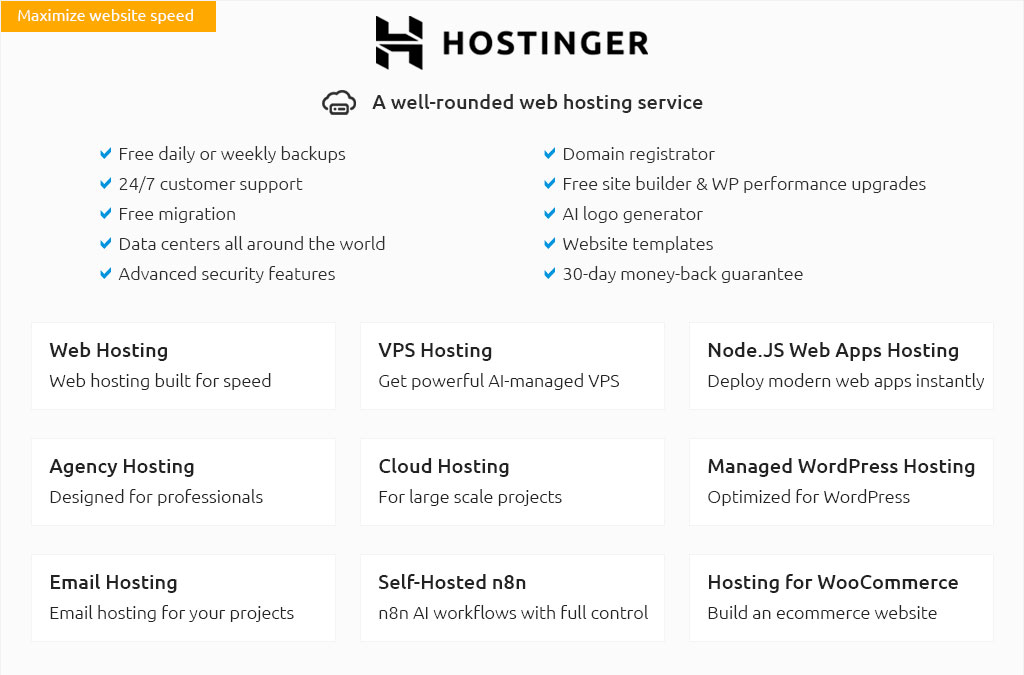
The finest cheap web hosting plans are affordable without sacrificing performance. Hostinger, Bluehost, and Namecheap provide low-cost plans ... https://cyberchimps.com/blog/cheap-website-hosting/
Hostinger is our top recommendation for affordable and cheap website hosting, starting from $2.69/month, and offering reliable, scalable, easy-to-use services ...
|
